
Have clothes you no longer wear, furniture taking up space, or products you make yourself? The right selling app can help you find buyers without building a store from scratch.
Some apps are designed for local pickup, while others help you reach buyers across the country. There are also marketplaces focused on specific categories such as fashion, handmade products, vintage items, and electronics.
Below, I’ve rounded up 21 apps and marketplaces you can use to sell products online and locally. Availability, selling features, and fees can change, so check the platform’s current rules before listing.
🎁 Free: 10 editable Canva Pin templates
The same Pin designs we use to get traffic from Pinterest. Swap in your text and photos and you have a ready-to-post Pin in minutes.
👉 Get the free templates (or get all 60 premium templates for $19)
Quick Picks: Which Selling App Should You Try?
- For local furniture sales: Facebook Marketplace, OfferUp, Craigslist, or Nextdoor
- For clothes and accessories: Poshmark, Depop, Vinted, or ThredUp
- For handmade or designed products: Etsy
- For a wide range of products: eBay, Mercari, or Amazon
- For sneakers and collectibles: StockX
- For musical equipment: Reverb
21 Apps to Sell Products Online and Locally
1. Facebook Marketplace
Facebook Marketplace is a convenient place to list furniture, home goods, electronics, clothing, and other items. It can be especially useful for local sales because nearby buyers can arrange pickup directly with you.
For local transactions, agree on the pickup details and payment method before meeting. Shipping and checkout features vary by location and listing type, so review the current terms and fees in your account.
Best for: Furniture, household goods, and general local selling.
2. OfferUp
OfferUp is a local marketplace where people can list items, message buyers, and arrange an in-person transaction. It works well for items that are difficult or expensive to ship, such as furniture, tools, and bicycles.
OfferUp’s current policy says it supports local, in-person transactions only; shipping is no longer available. Check its latest safety guidance and use a public meetup location when appropriate. OfferUp shipping update
Best for: Local sales and bulky items.
3. eBay
eBay gives sellers access to a broad marketplace for both new and used products. You can list collectibles, electronics, clothing, books, hobby items, and many other categories.
Before listing, compare similar sold items to estimate a realistic price. Remember to account for selling fees, packaging, shipping, and the time it takes to handle orders.
Best for: Collectibles, niche products, and items with buyers beyond your local area.
4. Etsy
Etsy is built around items that are made, designed, handpicked, or sourced by sellers. It can work for handmade goods, vintage items that meet Etsy’s rules, and original digital products.
Etsy is not a general-purpose resale app for mass-produced items. Its policies require sellers to follow the platform’s Creativity Standards and accurately describe how products are made. See what Etsy allows sellers to list.
Best for: Handmade products, vintage finds, and original digital downloads.
If you’re interested in selling on Etsy, read our guides on using Pinterest to boost Etsy sales and ways to make money on Pinterest.
5. Poshmark
Poshmark is a fashion-focused marketplace for clothing, shoes, and accessories. Sellers can create listings with photos and descriptions, while shoppers browse curated closets and brands.
Check Poshmark’s current seller fees, shipping process, and category rules before listing. The final amount you keep depends on the sale price and any applicable charges.
Best for: Branded clothing, shoes, and accessories.
6. Depop
Depop is popular for secondhand fashion, vintage clothing, streetwear, and distinctive styles. A strong listing should include clear photos, accurate sizing, brand details, and any flaws.
Think about how your item fits a particular style or audience. Good presentation and honest condition details can help shoppers decide whether it is right for them.
Best for: Vintage fashion, streetwear, and trend-led clothing.
7. Vinted
Vinted is a marketplace for secondhand clothing and accessories in supported regions. It can be a simple option for clearing out items from your wardrobe, though features and fees vary by country.
Check the app’s current buyer and seller terms where you live. Include measurements when sizing may be unclear, and photograph labels and any wear.
Best for: Secondhand clothes and accessories in supported markets.
8. Mercari
Mercari is a general marketplace for categories such as home goods, clothing, toys, electronics, and collectibles. It is designed to make listing straightforward, but you should check how shipping and fees work in your region.
Use clear images and describe the item’s condition honestly. For electronics, include model numbers and note whether chargers or other accessories are included.
Best for: Everyday products and household decluttering where Mercari is available.
9. Amazon Seller
Amazon can help businesses sell products to a large customer base. It is usually a better fit for sellers who have a product range and are ready to manage inventory, fulfillment, customer service, and marketplace requirements.
Before opening a seller account, research category restrictions, fulfillment options, and all selling costs. A large audience does not guarantee that your listing will make a profit.
Best for: Businesses selling products at scale.
10. Craigslist
Craigslist is an online classifieds platform with local sections for furniture, home goods, vehicles, and other items. It can be useful when you want to reach nearby buyers and arrange pickup directly.
Because you will generally coordinate the transaction yourself, use common sense when sharing personal information and meeting a buyer. Read Craigslist’s safety recommendations before arranging a sale.
Best for: Local classifieds and large items.
11. Nextdoor
Nextdoor connects people with their neighborhoods and may include local listings or For Sale & Free features, depending on the area. It can help you reach people who live nearby and may be able to pick up an item.
Available selling features vary by location. Check what is active in your neighborhood and follow the app’s community rules.
Best for: Selling locally within a neighborhood.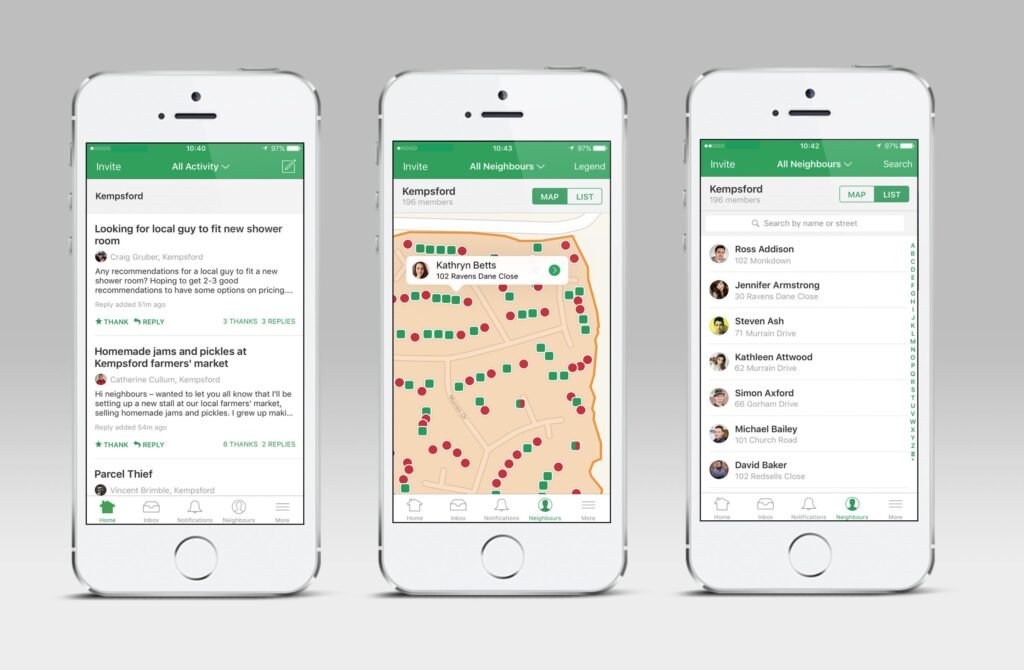
12. VarageSale
VarageSale is a community-based marketplace for local buying and selling in supported areas. People often use it for household items, children’s products, and furniture.
Check whether your area has an active community before spending time creating listings. As with any local marketplace, agree on a safe and clear pickup plan.
Best for: Community-based local sales where the app is active.
13. Bookoo
Bookoo is a local classified marketplace that operates in selected communities. It can be useful for selling items to people nearby without shipping them.
The number of active buyers depends on your location. Search your area first to see whether local listings are current and whether the platform has enough activity to make it worthwhile.
Best for: Local transactions in communities with active Bookoo users.
14. Instagram
Instagram can help creators and small businesses show products through photos, Reels, Stories, and a profile link. It is not always a simple classified marketplace, but it can work well for building an audience around a product or brand.
Use a clear way for customers to place an order, such as a shop link or website. Keep product details, prices, and delivery information easy to find.
Best for: Visual products and businesses that can build an audience through content.
15. TikTok Shop
TikTok Shop allows eligible sellers to list products for sale within the TikTok shopping experience in supported markets. Product videos and creator content can help shoppers discover items while watching videos.
Seller eligibility, available categories, fees, and fulfillment rules depend on the country. Check the current TikTok Shop seller requirements where you plan to operate.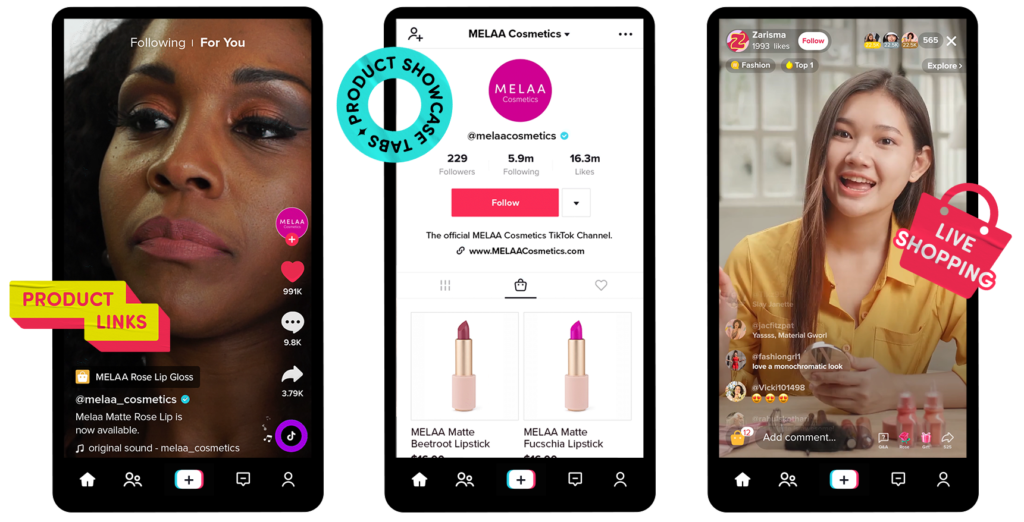
Best for: Products that are easy to demonstrate in short videos.
16. StockX
StockX focuses on products such as sneakers, streetwear, handbags, watches, and collectibles. Its marketplace model may include authentication steps for eligible categories, so sellers should review the current listing and shipping process.
Be accurate about the product, condition, and packaging. Follow the platform’s shipping deadlines and check the fees before setting your price.
Best for: Selected sneakers, streetwear, and collectibles.
17. The RealReal
The RealReal is a luxury consignment marketplace for eligible designer clothing, accessories, jewelry, and home items. It may suit sellers who want a consignment service to handle parts of the selling process.
Consignment payouts depend on the item, sale price, and current terms. Review the commission structure and accepted brands before sending anything.
Best for: Eligible luxury and designer items.
18. ThredUp
ThredUp is an online resale and consignment platform for secondhand clothing in supported markets. The process can be more hands-off than managing each listing yourself, but not every item will be accepted or earn a payout.
Review the current clean-out process, payout terms, and any fees before mailing a bag. Compare the expected return with selling the clothing yourself.
Best for: Clearing out eligible clothing with less listing work.
19. Flyp
Flyp has offered tools and services related to reselling clothing and other secondhand products. Its features and availability may change, so check the current app or website before relying on it for a sale.
If a platform uses a consignment or pro-seller model, read how commission, shipping, and unsold items are handled.
Best for: Clothing resale support, where currently available.
20. Reverb
Reverb is a marketplace focused on musical instruments and equipment. It can help sellers reach musicians looking for guitars, keyboards, recording gear, pedals, and related items.
Include the exact model, condition, and any repairs or modifications. For used equipment, close-up photos of the controls, connectors, and signs of wear can reduce buyer uncertainty.
Best for: Musical instruments and audio equipment.
21. Swappa
Swappa is a marketplace for used technology, including phones and other eligible devices. Its listing requirements can help buyers understand the condition and details of a device before purchasing.
Check which products are currently accepted and how the sale process works. Remove personal data from a device and follow the manufacturer’s steps to reset it before handing it over or shipping it.
Best for: Eligible used phones and technology.
How to Choose the Right Selling App
Instead of listing everywhere, start with one or two platforms that match what you are selling. Ask yourself:
- Is the product easy to ship? Bulky furniture may be easier to sell locally, while small collectibles can be shipped to a wider audience.
- Does the app attract the right buyers? Use fashion platforms for clothes and specialist marketplaces for items such as musical gear or handmade products.
- What will the fees and costs be? Include platform fees, payment processing, shipping materials, delivery costs, and returns when estimating your profit.
- How much time will selling take? Some platforms require you to photograph, list, pack, and ship each order. Consignment services may reduce the work but also affect your payout.
- Is the platform active in your country and category? Features and availability vary by location, so check the current seller information before creating listings.
Tips for Getting Your First Sale
- Take bright, clear photos. Show the item from multiple angles and include close-ups of labels, details, or damage.
- Write an honest description. Include the brand, size, model, age, condition, and what is included.
- Research the price. Compare similar items, especially sold listings where available, rather than relying only on active asking prices.
- Respond to reasonable questions. Quick, helpful replies can make a buyer more comfortable.
- Keep transaction details in the app when possible. Use the platform’s approved communication and payment process, and be cautious of requests to move payment elsewhere.
- Review performance and adjust. If a listing gets views but no messages, improve the price, photos, or description.
Can You Sell Products Through Your Own Website?
Yes. Marketplaces can help you reach existing shoppers, but your own website gives you more control over your brand, product pages, and customer experience. It also takes work to attract visitors and manage the store.
If you want to build a business around products you make, consider combining a shop with useful blog content and Pinterest promotion. Our guides on how to start a blog, Pinterest traffic for Etsy sellers, and Pinterest SEO can help you plan the next steps.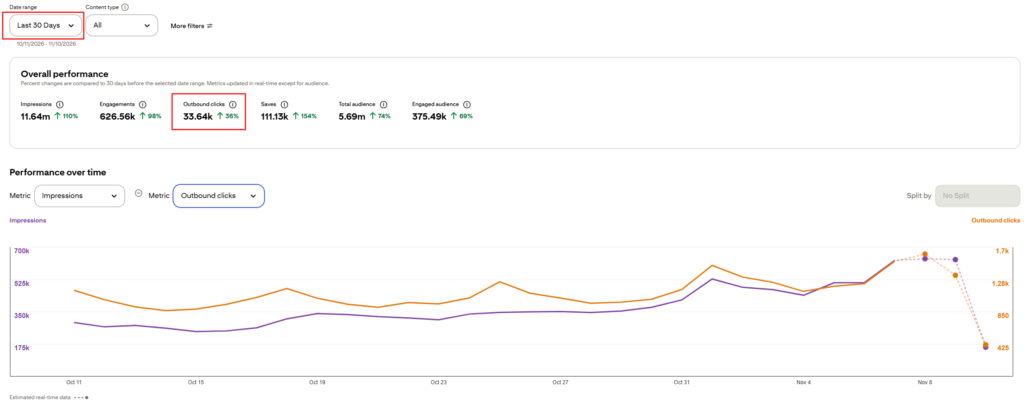
Want a Pinterest plan for your shop or blog?
Download our free Pinterest strategy PDF for a step-by-step approach to setting up your account, creating Pins, and working toward your first $500. It’s a practical guide, not a promise of earnings.
If you decide to build your own website, we recommend Hostinger for hosting. This is an affiliate link, which means we may earn a commission if you purchase through it, at no extra cost to you.
Final Thoughts
The best app to sell your products depends on what you have, where your buyers are, and how much work you want to handle. Local marketplaces can make sense for furniture and bulky goods. Category-focused platforms can help shoppers find clothing, handmade products, instruments, or collectibles.
Start with a platform that fits your product, check its current fees and rules, and make your listing clear and honest. Once you know what works, you can expand to other channels or build a website to grow your own brand.
Frequently Asked Questions
What is the best app to sell items locally?
Facebook Marketplace, OfferUp, Craigslist, and Nextdoor can be useful for local selling, depending on activity in your area. OfferUp currently supports local, in-person transactions only. Check the available features and safety guidance for each app before arranging a meetup.
What app is best for selling clothes?
Poshmark, Depop, Vinted, and ThredUp focus on secondhand fashion in supported regions. Compare their current fees, accepted items, shipping process, and payout terms before choosing.
What app is best for selling handmade products?
Etsy is designed for products that meet its rules for handmade, designed, vintage, or sourced items. Read Etsy’s current Creativity Standards and Seller Policy before listing.
Should I list the same item on multiple apps?
You can consider cross-listing if each platform allows it, but keep inventory status updated. Remove or mark an item unavailable promptly after it sells so you do not accidentally accept multiple orders for the same product.
Want Pinterest traffic without doing the pinning?
Our team at ThriversEdge handles keyword research, Pin design and scheduling for bloggers and online sellers. Start with a $99 account audit, get Pins designed from $1 each, or hand over the whole account.
Note: Some of the links on this page are affiliate links, which means we may earn a small commission if you choose to make a purchase through them-at no extra cost to you. We only recommend products and services we genuinely believe in and find useful.